The minister was talking about Mother's Day. If you have a mother, he invoked, or someone, a surrogate, who took care of you like a mother, think about them and how they were there for you.
My mother was not there for me, or for us. She had social problems as well as mental health issues making it difficult for her to be a mother.
I have no memory of my childhood. I remember from when I was a little older, maybe 10 or 12. I recall her baking cakes and making dinners of fish sticks and peas. I remember going to dog shows with her. Both parents came to school open house nights and chorus shows. As I got older she became more 'unable', staying in bed, sitting in dark corners, yelling, sometimes throwing things. Her depression-like behavior made it impossible for her to mother.
She died in 1996. When I think about her I think of what she could have done had she not been in the marriage she was in, had she not been depressed, and other 'had she nots'. She was creative, intelligent with a good sense of humor, but she could not or would not let us and the world see that part of her.
She said mean things to me after the pain started. When I was at her house when the pain would get very bad I would say "My face really hurts." She would respond "Well, it's killing me."
She could barely look at me after the paralysis. Both parents were at the hospital, but a day after the surgery my father had to leave. My mother was to stay with me for a few more days. I ultimately asked her to leave. All she did was sit in a chair in the corner of my room with her sunglasses on in almost complete silence.
One day she asked me to help her with her make-up. I told her to pull in her cheeks so I could find her cheekbones. As I told her I demonstrated, sucking in my cheeks. She copied me and in doing so also imitated the paralysis. I was very hurt and upset. It took a long time to accept that this behavior was a part of her sickness.
Today though, the minister's words struck a chord in me. It caused me to think about her in a different way. I am not sure why today rather than other days or other years, but something was triggered.
My mother's mother and father died when she was very little. The aunt and uncle who took her in were supposedly very mean to her. I do not know for sure if that was true. (Until this second it never occurred to me if they were even alive or dead when I was here in the world.) How can someone mother who was never mothered themselves? I know people can. My sisters and brother, whatever the problems we have, have children who love them completely. They had to have done something right. They were able to find a way to be a good and caring mom. And I am very proud of them for that.
Today, for me, a breakthrough, a new understanding.
Nothing can take the hurt out of my heart for having never been mothered (there was neither a surrogate nor sister who could or would fill the vacuum) but at least now I can look at it in a very different and more caring way. For that I am greatful.
My book.
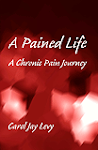
"Fascinating" Stephen S. Hall. writer, N.Y.Times magazine. "Hard to put down." A.C.P.A., American Chronic Pain Association.
Sunday, May 8, 2011


Friday, May 6, 2011
How far would you go for a possible cure?
Yesterday was a really bad day.
I wrote here and elsewhere and ignored the eye pain at every new keystroke. By the time the pain took over so I had no choice but to stop, it was too late. An hour later, two hours later, three hours later, the pain continued. I did not know what to do. I stayed in bed trying not to get up to do anything because as soon as I turned or stood up or, heaven forbid, looked in the fridge or elsewhere, the pain increased.
It's the eye, dammit! Why can't they do something for this!! I know they can. I just know they can.Same thought, no matter how many times I think it and hear their answer, "No. We cannot fix it. We do not know why you still have it and we do not have a clue as how to help you. I am very sorry."
Well, I know how to fix it.
At first I thought about having them take it out. It is legally blind, from lazy eye as a child. It would not be like removing an eye that I relied upon for vision. Remove the source of the pain you remove the pain. I talked to an eye doctor about it, even wrote to Dr. Schatz, the neuroopthalmologist who saw me at the beginning but with whom I had not spoken in years. "Carol, it would be unethical to remove an eye that sees, no matter how limited the sight in the eye." That was it. Any other doc I talked to said he was right. All assured me no hospital would ever let them do it even if I found a doc who would.
I emailed a reknowned medical ethicist. I described the situation: I had all possible procedures and treatments. Removing the eye was a last ditch effort to get me "able". To my amazement he replied almost immediately. Based on what I had written he said "I would testify on your behalf if you try to go ahead with this."
Thinking about it I realized I had glossed over a major issue. The pain is from movement of the eye. If you put in an artificial eye it would have to be connected to the muscles that seemed to be the cause of the pain in the first place. No. Removing the eye does not make sense.
So I developed another theory.
What if the eye were blinded and paralyzed? Granted one effect would be the same: loss of vision in that eye.
My ophthalmologist is a good guy. If what I suggest makes sense and is logical he will go along with me.
We tried a couple of times. A shot of botox (yep, what they use to reduce wrinkles) into the back of the eye. It paralyzed within a few days but still retained sight so I had severe double vision. The only answer - sew it closed. Funny how it was a disgusting thing to do when necessary for the health of the eye. When voluntary and a possible answer to the pain, then it becomes acceptable. It was also temporary. The botox wore off in about 3 months. Then he would open the eye. Each time somehow or other it refused to remain closed enough to mimic blindness. There was no way to know if my idea would work.
After 3 or 4 attempts we gave up on it as impractical. Plus, he was not sure he would be willing to do it permanently, because it is a healthy eye.
Yesterday I found myself thinking again - let's paralyze and blind it. Maybe he would agree this time.
Then I thought: what am I willing to do to stop this pain? How far would I go? I hate the disfigurement from the medical malpractice. Maybe because it is already there I was (am?) willing to do something that would disfigure me further. Is there a point beyond which I would not go if someone said 'do this and it will stop the pain. You could work, be out in the world. have a real life.'
I do not know. Yesterday I would have accepted almost anything. Today when I am being smarter, stopping my eye usage before it gets out of hand, maybe I would still say "Yes. Yes. Whatever it is, if it stops the pain. I am ready."
I wrote here and elsewhere and ignored the eye pain at every new keystroke. By the time the pain took over so I had no choice but to stop, it was too late. An hour later, two hours later, three hours later, the pain continued. I did not know what to do. I stayed in bed trying not to get up to do anything because as soon as I turned or stood up or, heaven forbid, looked in the fridge or elsewhere, the pain increased.
It's the eye, dammit! Why can't they do something for this!! I know they can. I just know they can.Same thought, no matter how many times I think it and hear their answer, "No. We cannot fix it. We do not know why you still have it and we do not have a clue as how to help you. I am very sorry."
Well, I know how to fix it.
At first I thought about having them take it out. It is legally blind, from lazy eye as a child. It would not be like removing an eye that I relied upon for vision. Remove the source of the pain you remove the pain. I talked to an eye doctor about it, even wrote to Dr. Schatz, the neuroopthalmologist who saw me at the beginning but with whom I had not spoken in years. "Carol, it would be unethical to remove an eye that sees, no matter how limited the sight in the eye." That was it. Any other doc I talked to said he was right. All assured me no hospital would ever let them do it even if I found a doc who would.
I emailed a reknowned medical ethicist. I described the situation: I had all possible procedures and treatments. Removing the eye was a last ditch effort to get me "able". To my amazement he replied almost immediately. Based on what I had written he said "I would testify on your behalf if you try to go ahead with this."
Thinking about it I realized I had glossed over a major issue. The pain is from movement of the eye. If you put in an artificial eye it would have to be connected to the muscles that seemed to be the cause of the pain in the first place. No. Removing the eye does not make sense.
So I developed another theory.
What if the eye were blinded and paralyzed? Granted one effect would be the same: loss of vision in that eye.
My ophthalmologist is a good guy. If what I suggest makes sense and is logical he will go along with me.
We tried a couple of times. A shot of botox (yep, what they use to reduce wrinkles) into the back of the eye. It paralyzed within a few days but still retained sight so I had severe double vision. The only answer - sew it closed. Funny how it was a disgusting thing to do when necessary for the health of the eye. When voluntary and a possible answer to the pain, then it becomes acceptable. It was also temporary. The botox wore off in about 3 months. Then he would open the eye. Each time somehow or other it refused to remain closed enough to mimic blindness. There was no way to know if my idea would work.
After 3 or 4 attempts we gave up on it as impractical. Plus, he was not sure he would be willing to do it permanently, because it is a healthy eye.
Yesterday I found myself thinking again - let's paralyze and blind it. Maybe he would agree this time.
Then I thought: what am I willing to do to stop this pain? How far would I go? I hate the disfigurement from the medical malpractice. Maybe because it is already there I was (am?) willing to do something that would disfigure me further. Is there a point beyond which I would not go if someone said 'do this and it will stop the pain. You could work, be out in the world. have a real life.'
I do not know. Yesterday I would have accepted almost anything. Today when I am being smarter, stopping my eye usage before it gets out of hand, maybe I would still say "Yes. Yes. Whatever it is, if it stops the pain. I am ready."
Thursday, May 5, 2011
At what point is writing cathartic? Maybe now, maybe never?
I just went to my website. One of the members posted a message. At the end of it she directed a question to me. "How are you feeling?"
I never like to answer the question. It is not the issue I have written about here, not liking to talk about the pain. It is a feeling of guilt.
My pain is not as bad as most of theirs. Many of the members have bodywide pain disorders. The pain they have is so bad there are more than a few days when they cannot tie their shoes or even get out of bed.
My pain is only in my eye. The answer to "How am I feeling?" is almost always "Fine.", unless I use my eye.
Ask me after I have been on the computer and writing unceasingly - when the pain is so bad I cannot use my eyes to answer the question. "I am doing horribly." But, I know even if I have let it get out of control, even if it may take hours before it subsides, my body will let me do anything and usually everything I want and need it to do. I may take to my bed or the sofa, but it is only because then I will not use the eye.
Writing this is becoming an eye pain problem because I wanted to write it as soon as I saw the posting on the site.
I do not know how to answer it. The truth is I am not in the kind of pain most of them are. They are so kind. They want to make sure I am doing well. Is my pain not as concerning, is not as disabling in its own way because it is not the kind of pain they are in? I know they would emphatically say "No."
I wonder even about posting this to the site. A part of me says I should. The other part says, will it make them feel even worse if I told them this?
Pain is pain is pain but a sprained ankle is not RSD. An eye pain that resolves quickly is not lupus pain or fibromyalgia.
Maybe it comes down to the same problem I always have. Is it merely a rationalization for my not wanting to talk about the pain, to admit to it, to accept it as a part of me?
I was and am asked by many people if writing my book was cathartic. That is the stereotype. Someone writes about a bad experience and it lets them get out the pain. It was not for me. I am not sure why not. This blog, on the other hand, is causing me to look at things I am not sure I want to see. At some point I have to be able to write 'disabled' on forms where it asks for occupation without writing or thinking (at present).
Maybe I titled this the way I did, to force the issue. 30 years, and counting, is a long time to be in pain. My life is not going to magically go back to when I was 26 and sitting in my living room in NYC. Back to the moment before the first pain hit and took everything from me. Writing that sentence makes me want to cry. I suppose that is a start.
I never like to answer the question. It is not the issue I have written about here, not liking to talk about the pain. It is a feeling of guilt.
My pain is not as bad as most of theirs. Many of the members have bodywide pain disorders. The pain they have is so bad there are more than a few days when they cannot tie their shoes or even get out of bed.
My pain is only in my eye. The answer to "How am I feeling?" is almost always "Fine.", unless I use my eye.
Ask me after I have been on the computer and writing unceasingly - when the pain is so bad I cannot use my eyes to answer the question. "I am doing horribly." But, I know even if I have let it get out of control, even if it may take hours before it subsides, my body will let me do anything and usually everything I want and need it to do. I may take to my bed or the sofa, but it is only because then I will not use the eye.
Writing this is becoming an eye pain problem because I wanted to write it as soon as I saw the posting on the site.
I do not know how to answer it. The truth is I am not in the kind of pain most of them are. They are so kind. They want to make sure I am doing well. Is my pain not as concerning, is not as disabling in its own way because it is not the kind of pain they are in? I know they would emphatically say "No."
I wonder even about posting this to the site. A part of me says I should. The other part says, will it make them feel even worse if I told them this?
Pain is pain is pain but a sprained ankle is not RSD. An eye pain that resolves quickly is not lupus pain or fibromyalgia.
Maybe it comes down to the same problem I always have. Is it merely a rationalization for my not wanting to talk about the pain, to admit to it, to accept it as a part of me?
I was and am asked by many people if writing my book was cathartic. That is the stereotype. Someone writes about a bad experience and it lets them get out the pain. It was not for me. I am not sure why not. This blog, on the other hand, is causing me to look at things I am not sure I want to see. At some point I have to be able to write 'disabled' on forms where it asks for occupation without writing or thinking (at present).
Maybe I titled this the way I did, to force the issue. 30 years, and counting, is a long time to be in pain. My life is not going to magically go back to when I was 26 and sitting in my living room in NYC. Back to the moment before the first pain hit and took everything from me. Writing that sentence makes me want to cry. I suppose that is a start.
Wednesday, May 4, 2011
The other question I do not like to answer.
I did the blogradio interview tonight. Candy, the host, was very nice; and I think it went okay. She asked about me the pain, to describe it. I do not like talking about it but I did. (No point or why accept the invitation in the first place?) She asked me about family support. I definitely do not like talking about that.
The word 'should'. "Obligation, duty, or correctness. Indicating a desirable or expected state."
Family 'should' be there for you. Many people see that is a major duty of a family, no matter how poorly you get along. At the end of the day, I hear this so often, from others about their families, when someone is in trouble, no matter what the relationship, or lack of one, we are all there for each other.
I think Candy was surprised with my answer. No, they were not there for me. She did not ask me to elaborate. It was not the place even if I had wanted to talk more about it.
I have to admit I get tired of mother's day and father's day and advertisements with everyone loving up each other. It hurts me when people ask "Who is your next of kin?" There is no 'kin', even though the ones still alive live only a few minutes away.
The first time I was admitted to the hospital for the pain I was in for almost two months and had the first of my brain surgeries. Dr. Schatz, the admitting doctor, had written in the chart "Encourage her family to visit more." My father came almost every day. (As would become a habit, my mother could not come because she was in the hospital (elsewhere). This happened for over half of my hospital stays.) My 3 siblings, never.
I went to recuperate, at least until I could get back to my apartment in NYC, at my parents' house. My mother was still in the hospital. My one sister and her husband were at the house helping my father.
I developed a high fever and had to go to the emergency room. My sister and her husband took me. As we left the house she made sure I understood why they, instead of my father, were taking me. "I want you to know we're doing this for daddy." She wanted it to be perfectly understood it had nothing to do with helping me.
I do not want to go into chapter and verse of the things they have done to me or the way I have been treated. A lot of it is Freudian. I am 58 and the two remaining siblings are in their 60's, old enough to put freudian hurts behind us.
I am working on not stammering when I have to say I cannot do something because of the pain. I have to learn to do the same when it comes to explaining why the answer is "No." when the issue of family support comes up.
The word 'should'. "Obligation, duty, or correctness. Indicating a desirable or expected state."
Family 'should' be there for you. Many people see that is a major duty of a family, no matter how poorly you get along. At the end of the day, I hear this so often, from others about their families, when someone is in trouble, no matter what the relationship, or lack of one, we are all there for each other.
I think Candy was surprised with my answer. No, they were not there for me. She did not ask me to elaborate. It was not the place even if I had wanted to talk more about it.
I have to admit I get tired of mother's day and father's day and advertisements with everyone loving up each other. It hurts me when people ask "Who is your next of kin?" There is no 'kin', even though the ones still alive live only a few minutes away.
The first time I was admitted to the hospital for the pain I was in for almost two months and had the first of my brain surgeries. Dr. Schatz, the admitting doctor, had written in the chart "Encourage her family to visit more." My father came almost every day. (As would become a habit, my mother could not come because she was in the hospital (elsewhere). This happened for over half of my hospital stays.) My 3 siblings, never.
I went to recuperate, at least until I could get back to my apartment in NYC, at my parents' house. My mother was still in the hospital. My one sister and her husband were at the house helping my father.
I developed a high fever and had to go to the emergency room. My sister and her husband took me. As we left the house she made sure I understood why they, instead of my father, were taking me. "I want you to know we're doing this for daddy." She wanted it to be perfectly understood it had nothing to do with helping me.
I do not want to go into chapter and verse of the things they have done to me or the way I have been treated. A lot of it is Freudian. I am 58 and the two remaining siblings are in their 60's, old enough to put freudian hurts behind us.
I am working on not stammering when I have to say I cannot do something because of the pain. I have to learn to do the same when it comes to explaining why the answer is "No." when the issue of family support comes up.
Tuesday, May 3, 2011
I'm gonna be on the radio ((*_*))
Tomorrow night from 6 -7 PST I will be on a blogradio interview show hosted by Candy O'Donnell. I hope you can come join us.
http://candanceodonnell.blogspot.com/2011/05/author-carol-levy-will-be-on-may-4th.html
http://candanceodonnell.blogspot.com/2011/05/author-carol-levy-will-be-on-may-4th.html
Innocent until proven guilty?
Faking It: Why Nearly 1 in 4 Adults Who Seek Treatment Don't Have ADHD
http://healthland.time.com/2011/04/28/faking-it-why-nearly-1-in-4-adults-who-seek-treatment-dont-have-adhd/#ixzz1LJ4hkfXH
I just saw this article this morning. It captured my attention because all you need do is change the term ADHD to chronic pain.
It is not necessarily that the statistics would be borne for those with CIP diagnosis(ses) but that this is the argument put forward about treating those in chronic pain with opiate medication.
There will always be 'fakers', especially when it comes to medical disorders where the treatment is one desired by those who think it is 'fun' or necessary for their success to be 'high' or 'stimulated' artificially.
The regulators and naysayers say that those in real need need to be taken less seriously and treated as though they may be abusers. Signing a contract to agree to 'random urine' tests, not 'doctor shop', be unable to get more medication if you lose it or forget to bring it with you, say on a trip, implies that we are using the medications for 'illicit' purposes.
Whatever happened to innocent until proven guilty?
When one in 4 may fake ADHD to get stimulants and when there is a growing prescription drug abuse problem is the way to fix it to go after those who are legitimately in need of these medications?
I do not know where I stand on the issue. I do know that I am a patient, not a faker, and it is not fair to lump us all in one basket that presumes abuser.
http://healthland.time.com/2011/04/28/faking-it-why-nearly-1-in-4-adults-who-seek-treatment-dont-have-adhd/#ixzz1LJ4hkfXH
I just saw this article this morning. It captured my attention because all you need do is change the term ADHD to chronic pain.
It is not necessarily that the statistics would be borne for those with CIP diagnosis(ses) but that this is the argument put forward about treating those in chronic pain with opiate medication.
There will always be 'fakers', especially when it comes to medical disorders where the treatment is one desired by those who think it is 'fun' or necessary for their success to be 'high' or 'stimulated' artificially.
The regulators and naysayers say that those in real need need to be taken less seriously and treated as though they may be abusers. Signing a contract to agree to 'random urine' tests, not 'doctor shop', be unable to get more medication if you lose it or forget to bring it with you, say on a trip, implies that we are using the medications for 'illicit' purposes.
Whatever happened to innocent until proven guilty?
When one in 4 may fake ADHD to get stimulants and when there is a growing prescription drug abuse problem is the way to fix it to go after those who are legitimately in need of these medications?
I do not know where I stand on the issue. I do know that I am a patient, not a faker, and it is not fair to lump us all in one basket that presumes abuser.
Sunday, May 1, 2011
Is different wrong?
"When I was four years old they tried to test my IQ, they showed me this picture of three oranges and a pear. They asked me which one is different and does not belong, they taught me different was wrong." ~Ani Difranco
The left side of my face was paralyzed 100% as a result of surgery in 1979. I have recovered a lot of usage but that side of my face definitely looks different than the other side.
Guess I need to give some backstory before I refer back to the quote.
Dr. Peter Jannetta is a major name in neurosurgery. He had perfected a procedure for trigeminal neuralgia called a microvascular decompression procedure (MVD)commonly referred to as a 'Jannetta Procedure'.
That January an unsuccessful procedure was tried that did not help my pain; and added it in the lower part of my face where it had never been, as well as caused the loss of sensation to my left eye, face, mouth and tongue. Because the pain was unhelped, my doctors suggested I see Dr. Jannetta.
I had to decide if I wanted the surgery he offered. I had just been very harmed only 3 months earlier. I was worried about my face. I wanted to be an actress, hope still springing eternal. I had not been told when I had the last procedure that I could lose sensation in my mouth and tongue or have added pain. I did not want there to be any surprises this time.
"Dr. Jannetta, can my face be hurt in any way?" "No." he assured me. "I promise you your face cannot be injured." His resident answered the same way when I asked him in a separate discussion.
The surgery was over. I opened my eyes. As I did I noticed my mother's expression changed. It went from the "Hello." look people have when you wake up to one scared and upset. "Nurse. Nurse." My father did not wait for one to come over. He hurried away from my bed and grabbed the arm of the first nurse he saw. To my amazement, the nurse did not look much better as she looked down at me. "Carol, let me see you smile." She looked. "I'll get Dr. Jannetta." she said and hurried away.
He came over to my bedside. He rubbed his fingers together close to my ear. "Can you hear this?" "Yes." I said. Then he left. Still no one said anything to me about what was wrong and why there was so much concern and upset surrounding my condition.
My face was paralyzed. I was now upset but no one was making any suggestions on how to fix it. No physical therapy, no discussion on how it would get better. No discussion even if it would get better.
Dr. Jannetta left for Germany the afternoon of the operation. The few seconds in the NICU was the last I saw of him until weeks later at a follow up office appointment.
In the interim, my left eye, which had lost all feeling as a result of the prior procedure (that was a known complication) and, now unable to close, became so dried out it was at risk needed to be protected. The only way to do that was to sew it closed.
I looked horrendous. The ophthalmologist wanted to keep it closed permanently. I refused. It is open (but does dry out and has required a few more forced closings over the years) but definitely looks different from the other one. The one side of my face ages, the other does so much more slowly. The smile is somewhat lopsided. There is a difference that I think most people once they know me get used to but new people notice. Some times I am asked "Did you have a stroke?"
This takes me back to the quote. (Let me remind you cause it has been a lot of paragraphs in between. "When I was four years old they tried to test my IQ, they showed me this picture of three oranges and a pear. They asked me which one is different and does not belong, they taught me different was wrong." ~Ani Difranco)
Different is wrong. It is not just different. People treat you strangely. They do things they would not otherwise do, somehow thinking that if you look unlike a 'normal' person you do not have the same feelings.
There are nice folk as well as thoughtless ones. The latter stare, the eye the most quickly noticable. They give a nudge to their child when he (she) starts to ask me "What happened to your eye?" (That is a standard kid question. I do not mind it, in fact I welcome it. Much, much better than a stare or a sidelong, long glance.) "Leave her alone. Don't ask her that!" they say teaching the child it is wrong to be different, someone not to be approached.
The nice ones offer me a tissue. I have to lubricate my eye throughhout the day. To some it seems like tears or tearing. (I had a guy once when I lived in NYC, become very concerned. He was standing on the stairs in the subway. As each person passed he said "F^&%& you, F^&&& you." He started to say it to me, stopped and instead followed me down the stairs. "Are you allright? Don't cry. Are you allright?" "I'm okay. Really. My eye is infected, that's all." It was the standard answer I gave, the truth way too long and involved a story. "Are you sure? Are you sure?" Finally I convinced him all was well. "Okay, then." he said. I heard him as he walked back up the stairs, talking at the people coming down them. "F&*** you. F^&&& you.") One lady insisted on helping me out of the subway car, deciding, for some reason, that I must be blind. "Don't worry, dear. Just take my arm." I did not know how to nicely say I was not blind so I let her escort me onto the platform. Other folks share their remedies with them, bonding with me by assuming a similar eye issue. "My doctor gives me this antibiotic when my eye tears like that. Make sure your doc gives it to you if he isn't." "I had Pink Eye too, don't let your kids touch your eye but you'll be over it soon. I was." They are being nice. I always take it with a grain of salt and a little smile. They want to help.
I think maybe the 'different' is one of the reasons, proabably low on the list but there, that I try and keep the pain to myself. I say "Help me. or "Please." when the pain gets bad, but I say it sotto voce, as quiet as I can, the words said outloud in spite of my trying to not speak the pain. The answer to "Are you Okay?" when I am not a "I'm fine, thanks." I want to be you. I want to be the guy who is fine. Who does not have pain. Who is not disabled and afflicted.
Three oranges and a pear. One of these things is not like the other, one of these things is not the same. I hate being the pear. I want to be an orange.
The left side of my face was paralyzed 100% as a result of surgery in 1979. I have recovered a lot of usage but that side of my face definitely looks different than the other side.
Guess I need to give some backstory before I refer back to the quote.
Dr. Peter Jannetta is a major name in neurosurgery. He had perfected a procedure for trigeminal neuralgia called a microvascular decompression procedure (MVD)commonly referred to as a 'Jannetta Procedure'.
That January an unsuccessful procedure was tried that did not help my pain; and added it in the lower part of my face where it had never been, as well as caused the loss of sensation to my left eye, face, mouth and tongue. Because the pain was unhelped, my doctors suggested I see Dr. Jannetta.
I had to decide if I wanted the surgery he offered. I had just been very harmed only 3 months earlier. I was worried about my face. I wanted to be an actress, hope still springing eternal. I had not been told when I had the last procedure that I could lose sensation in my mouth and tongue or have added pain. I did not want there to be any surprises this time.
"Dr. Jannetta, can my face be hurt in any way?" "No." he assured me. "I promise you your face cannot be injured." His resident answered the same way when I asked him in a separate discussion.
The surgery was over. I opened my eyes. As I did I noticed my mother's expression changed. It went from the "Hello." look people have when you wake up to one scared and upset. "Nurse. Nurse." My father did not wait for one to come over. He hurried away from my bed and grabbed the arm of the first nurse he saw. To my amazement, the nurse did not look much better as she looked down at me. "Carol, let me see you smile." She looked. "I'll get Dr. Jannetta." she said and hurried away.
He came over to my bedside. He rubbed his fingers together close to my ear. "Can you hear this?" "Yes." I said. Then he left. Still no one said anything to me about what was wrong and why there was so much concern and upset surrounding my condition.
My face was paralyzed. I was now upset but no one was making any suggestions on how to fix it. No physical therapy, no discussion on how it would get better. No discussion even if it would get better.
Dr. Jannetta left for Germany the afternoon of the operation. The few seconds in the NICU was the last I saw of him until weeks later at a follow up office appointment.
In the interim, my left eye, which had lost all feeling as a result of the prior procedure (that was a known complication) and, now unable to close, became so dried out it was at risk needed to be protected. The only way to do that was to sew it closed.
I looked horrendous. The ophthalmologist wanted to keep it closed permanently. I refused. It is open (but does dry out and has required a few more forced closings over the years) but definitely looks different from the other one. The one side of my face ages, the other does so much more slowly. The smile is somewhat lopsided. There is a difference that I think most people once they know me get used to but new people notice. Some times I am asked "Did you have a stroke?"
This takes me back to the quote. (Let me remind you cause it has been a lot of paragraphs in between. "When I was four years old they tried to test my IQ, they showed me this picture of three oranges and a pear. They asked me which one is different and does not belong, they taught me different was wrong." ~Ani Difranco)
Different is wrong. It is not just different. People treat you strangely. They do things they would not otherwise do, somehow thinking that if you look unlike a 'normal' person you do not have the same feelings.
There are nice folk as well as thoughtless ones. The latter stare, the eye the most quickly noticable. They give a nudge to their child when he (she) starts to ask me "What happened to your eye?" (That is a standard kid question. I do not mind it, in fact I welcome it. Much, much better than a stare or a sidelong, long glance.) "Leave her alone. Don't ask her that!" they say teaching the child it is wrong to be different, someone not to be approached.
The nice ones offer me a tissue. I have to lubricate my eye throughhout the day. To some it seems like tears or tearing. (I had a guy once when I lived in NYC, become very concerned. He was standing on the stairs in the subway. As each person passed he said "F^&%& you, F^&&& you." He started to say it to me, stopped and instead followed me down the stairs. "Are you allright? Don't cry. Are you allright?" "I'm okay. Really. My eye is infected, that's all." It was the standard answer I gave, the truth way too long and involved a story. "Are you sure? Are you sure?" Finally I convinced him all was well. "Okay, then." he said. I heard him as he walked back up the stairs, talking at the people coming down them. "F&*** you. F^&&& you.") One lady insisted on helping me out of the subway car, deciding, for some reason, that I must be blind. "Don't worry, dear. Just take my arm." I did not know how to nicely say I was not blind so I let her escort me onto the platform. Other folks share their remedies with them, bonding with me by assuming a similar eye issue. "My doctor gives me this antibiotic when my eye tears like that. Make sure your doc gives it to you if he isn't." "I had Pink Eye too, don't let your kids touch your eye but you'll be over it soon. I was." They are being nice. I always take it with a grain of salt and a little smile. They want to help.
I think maybe the 'different' is one of the reasons, proabably low on the list but there, that I try and keep the pain to myself. I say "Help me. or "Please." when the pain gets bad, but I say it sotto voce, as quiet as I can, the words said outloud in spite of my trying to not speak the pain. The answer to "Are you Okay?" when I am not a "I'm fine, thanks." I want to be you. I want to be the guy who is fine. Who does not have pain. Who is not disabled and afflicted.
Three oranges and a pear. One of these things is not like the other, one of these things is not the same. I hate being the pear. I want to be an orange.
Subscribe to:
Posts (Atom)